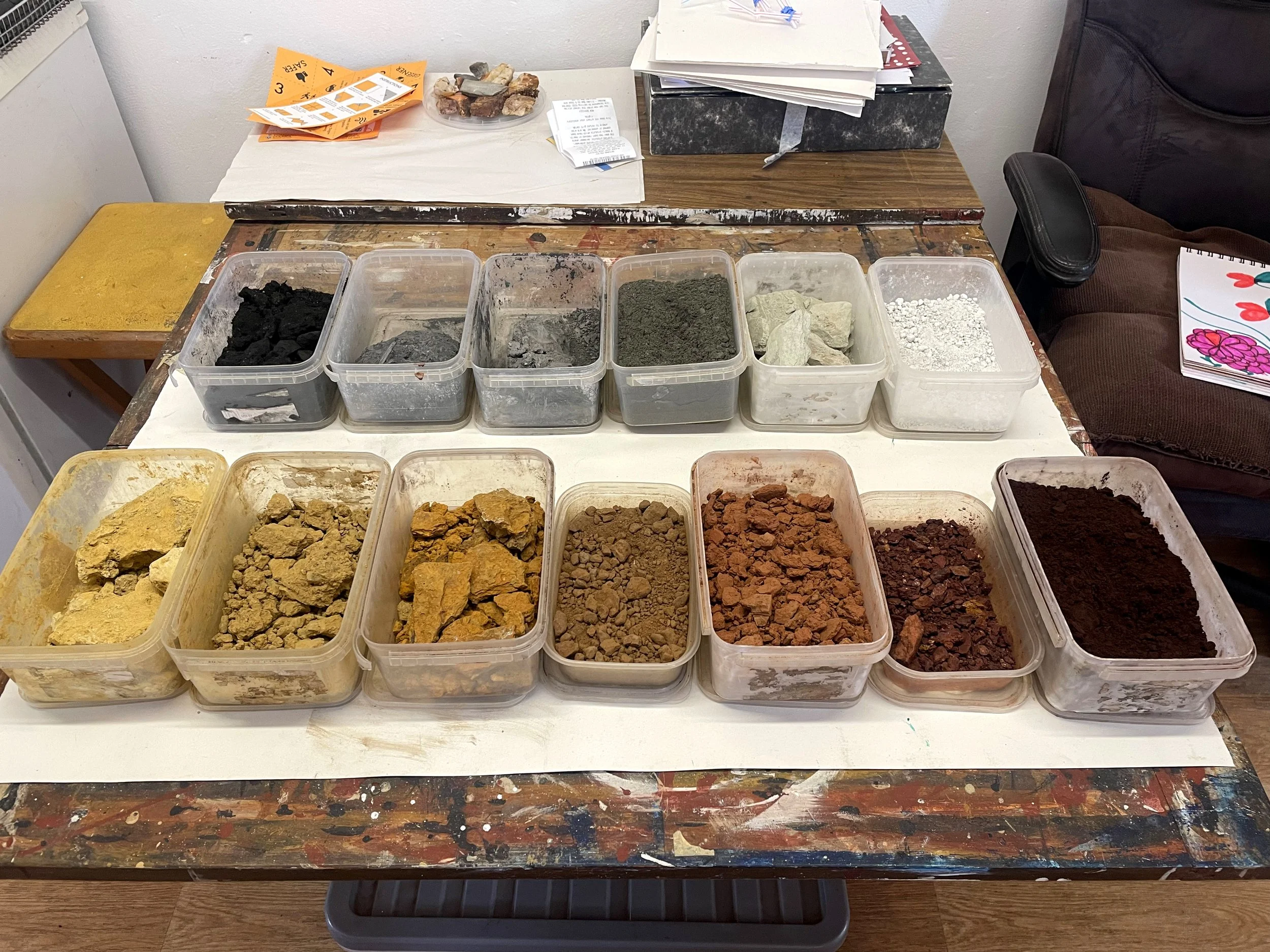
Gender Unconformities
Gender Unconformities: Deep Time’s Trans Matters uncovers how the British empire’s extractive industries not only powered economies but also remade gender itself.
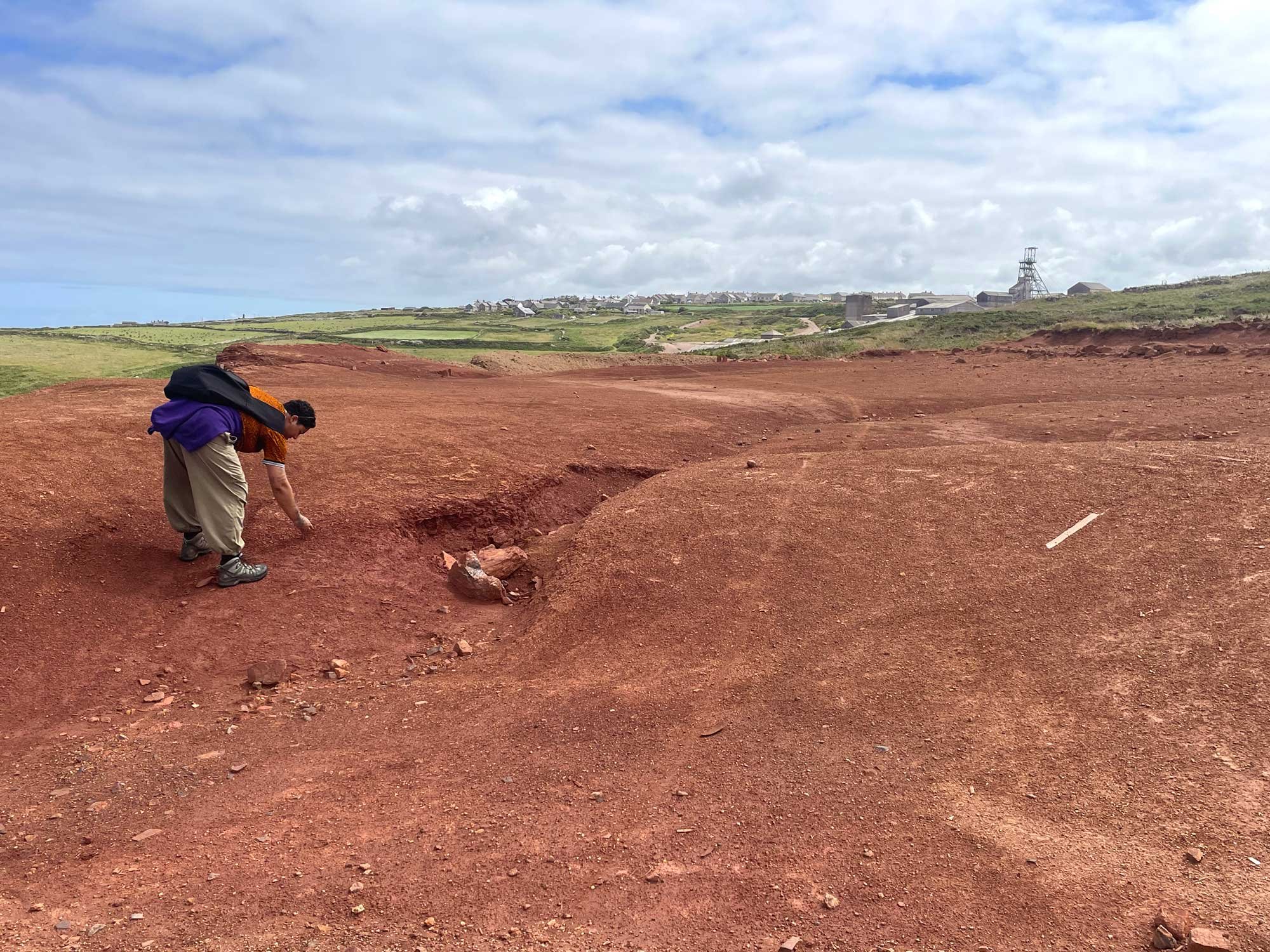
Chalk, coal, iron, and tin reclassified bodies through dust, pigment, dye, and injury, governing gender variance through labor and matter long before it was named as an identity. In doing so, the book reframes trans history as a formation shaped by deep time, extraction, and imperial infrastructure. Moving from Charlotte Smith’s cliffs to Edith Ellis’s miners, Emily Brontë’s Heathcliff to Shah Husain the stained saint and child of a weaver, the book spans archives and centuries to develop “trans geohistoriography”—a method that treats earth as history and residue as record. Ultimately, trans embodiment registers as a product of heterogeneous pressures—geological, environmental, juridical, and racial—rather than as a modern identity category.


FORAGE
Waste, Law, and Queer Ecologies
from English Commons to Palestinian Hillsides and Cornish Mine Tailings
Forage names a practice at once material and political, shaped by the afterlives of extraction, the regulation of access to land, and the criminalization of certain kinds of gathering. This chapter argues that to think with foraging—and with what I call foragery, a term I develop later to describe queer, trans*, and anti-extractive forms of gathering that blur the line between salvage and creation—is to engage waste/discard studies as a method for tracing how colonial legal regimes and environmental management policies delimit whose touch with the land is sanctioned, and whose is marked as deviant, criminal, or disposable. I examine how waste becomes both a resource and a locus of regulation by drawing on three sites: the history of the enclosure of the commons and contemporary policing of mushroom gathering in England’s Epping Forest, the Israeli state’s conservation bans on Palestinian plant collecting, and queer transnational pigment-gathering along Cornwall’s post-industrial mine tailings.
excerpt from chapter 21 in Waste Collection: The Ecologies, Politics, and Complexities of Discard
Edited by Jeremy Chow and Sage Gerson. Bloomsbury, forthcoming.
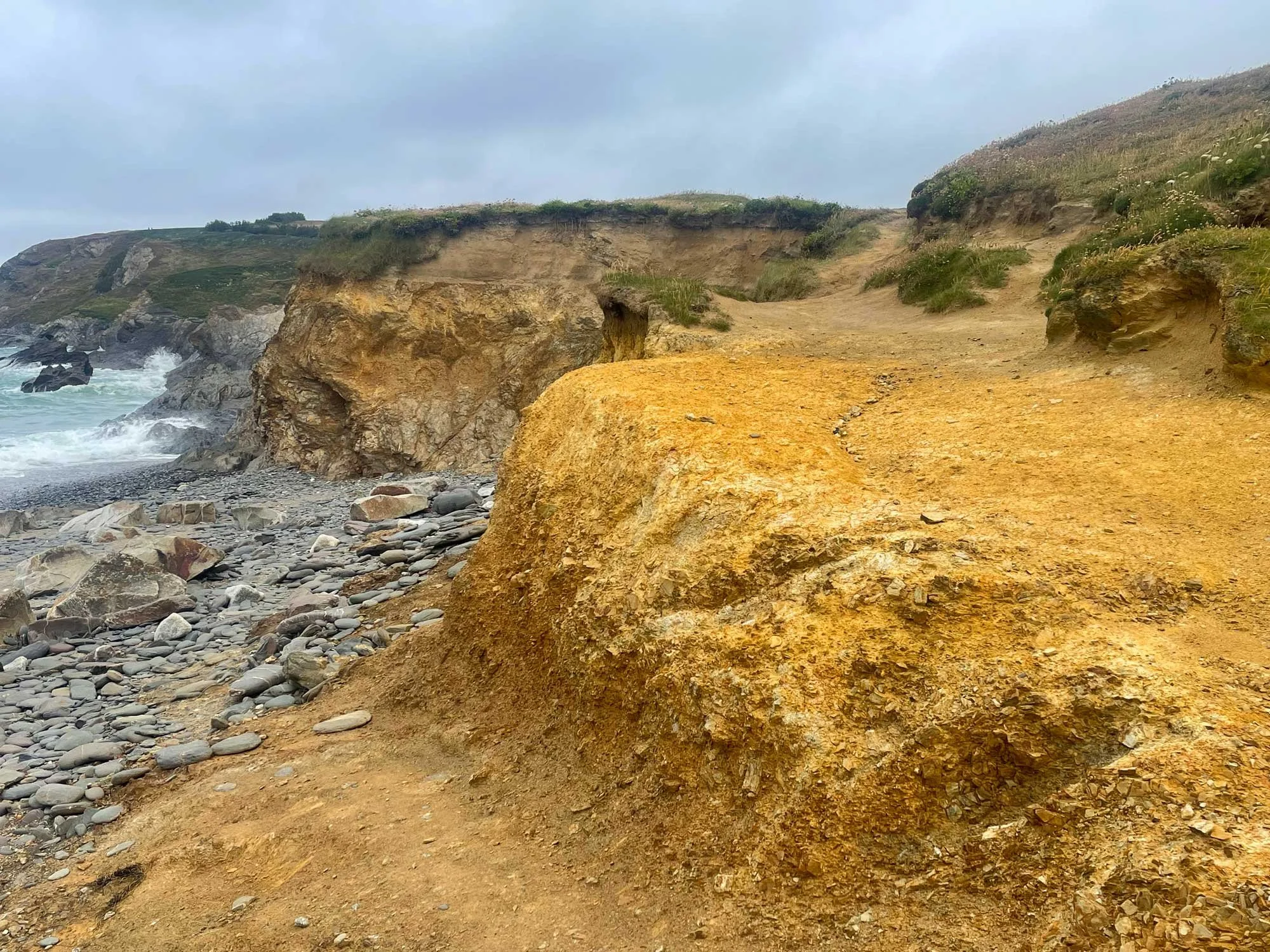
TRANS GEOHISTORIOGRAPHY
A Subjectless Critique of Beachy Head’s Chalk
This essay offers trans geohistoriography as an historicist and materialist method which recovers the Huttonian rock cycle as a material form of transition. Tracing the rock record can produce a workable trans archive that does not require contemporary or modern identitarian language (gay, queer, lesbian, transgender, transsexual, intersex) to locate and recover. This indexing does not rely on confession by or coercion of a forcibly defined and articulated subject. Trans geohistoriography tracks the imperially ignored geomaterial chalk which escapes a stable subjecthood over which Anglo Man’s rights can be exercised. This essay moves from early imperial England via Charlotte Smith’s late-Holocene long blank form poem Beachy Head (1807) to postcolonial Nigeria via trans non-binary author Akwaeke Emezi’s fictional autobiography, Freshwater (2018), following their literary depictions of chalk. This method allows us to use the presence of rocks as witnesses to otherwise unrecognizable representations of gender variance. Does the deep time history of rocks also deepen and expand the legacy of queerness and transness to precontact, premodern, and prehuman time? Close reading geomaterials like chalk and various bodies’ encounters with rock forms in the literary archive can reveal a subjectless queer and trans past that may otherwise be undetectable.
Gender Unconformities
Deep Time’s Trans Matters
—FORTHCOMING—