About

M. A. Miller is an assistant professor of Gender, Race, and Health in the Women’s, Gender, and Sexuality Studies Program at Washington State University in Pullman, Washington where he teaches and researches on the intersections of queer and trans studies, the Global South, and histories of empire. His previous 2022-2023 postdoctoral appointment as a Teaching Fellow in English at the University of Nevada, Reno, saw him predominantly teaching introductory and advanced film courses on queer and trans films beyond the West. He received his Ph.D. in English with a Designated Emphasis in Feminist Theory & Research at the University of California, Davis in June 2022. His dissertation received the Russell J. and Dorothy S. Bilinski Educational Foundation Dissertation Writing Fellowship and was entitled “Gender Unconformities: Becoming-with the Environment in the Nineteenth-Century Anglophone Novel.” His dissertation has provided some of the inspiration for his first and current academic monograph in progress, Gender Unconformities: Deep Time’s Trans Matters which received fellowship funding support for the 2026-2027 year from the Academic Council of Learned Societies (ACLS).
The book proposes that sex is administratively stabilized rather than ontologically given, which means sex’s (re-)assignment can be traced anywhere administration reaches—through labor regimes, spatial divisions, juridical rights, statistical enumeration. Across the British empire of the global nineteenth century, contact with chalk cliffs, coal dust, iron pigments, and tin ore produce forms of trans existence not through self-identification but through material and administrative processes of extraction.
His second academic monograph in progress, Trans*imperial Ecologies: Empire’s Cultivation of the Ideal Trans Subject, analyzes global nineteenth-century Anglophone novels including the oeuvre of proto-Hindu nationalist author Bankim Chandra Chatterjee (1838-1894), Olive Schreiner’s Story of an African Farm (1883), and James Morier’s The Adventures of Hajji Baba of Ispahan (1824). The manuscript traces a genealogy of trans subjects’ exceptional status and inclusion within novelistic depictions of nation and empire-building without actually being accepted and welcomed by such governments.
He is a leading scholar on trans history before the Clinic, before “transgender” and “transsexual” enter the lexicon as pathologized medical diagnosis or enforced Foucauldian confession. Miller is invested in a trans historiography that precedes and exceeds the solidified twentieth century identity category. His scholarship can be found in a variety of leading journals: Transgender Studies Quarterly (TSQ), Victorian Studies, Nineteenth-Century Literature, Studies in English Literature, 1500-1900 (SEL), European Romantic Review, Multi-Ethnic Literatures of the United States (MELUS), Journal of Eighteenth-Century Fiction and more.
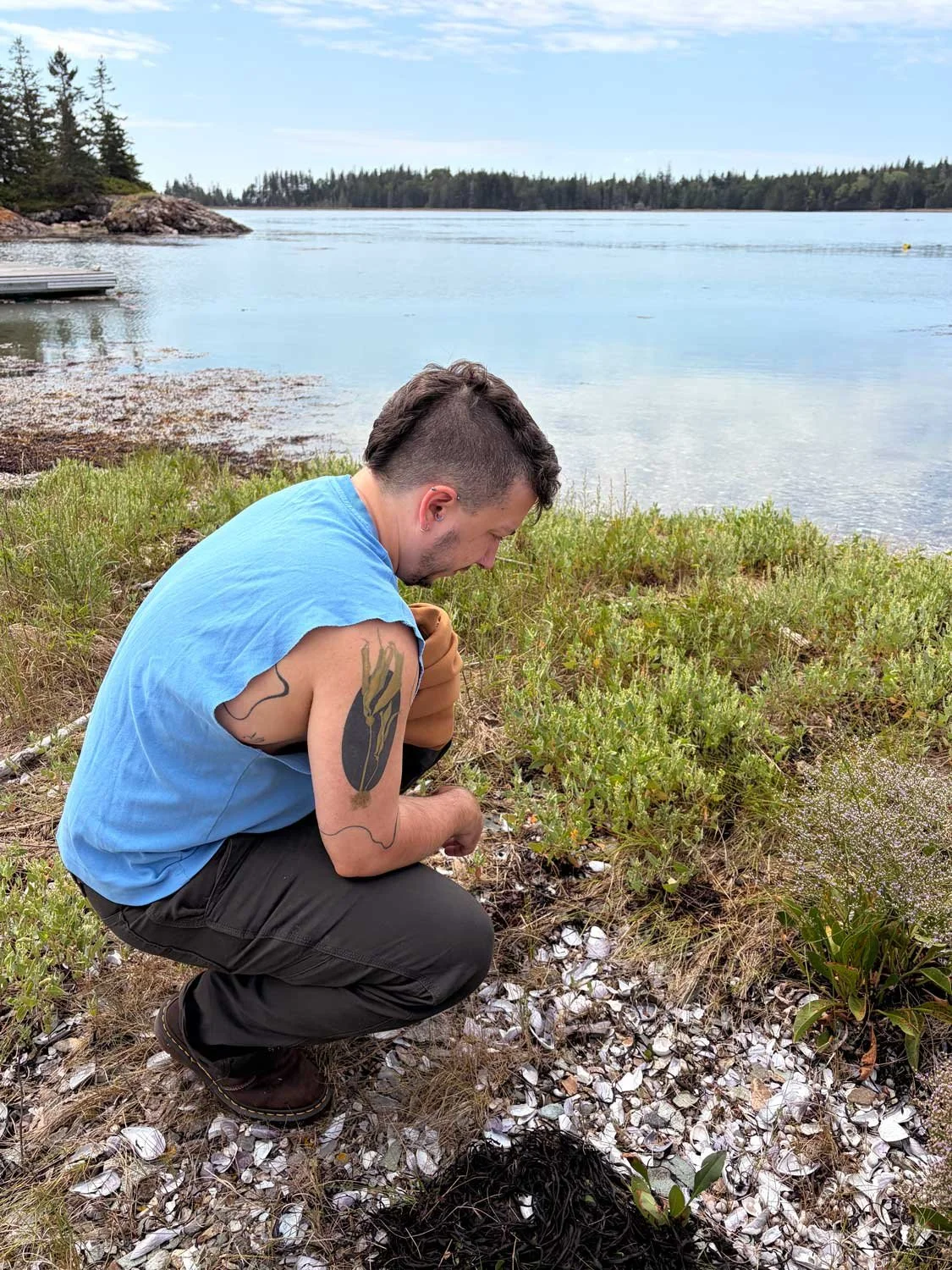
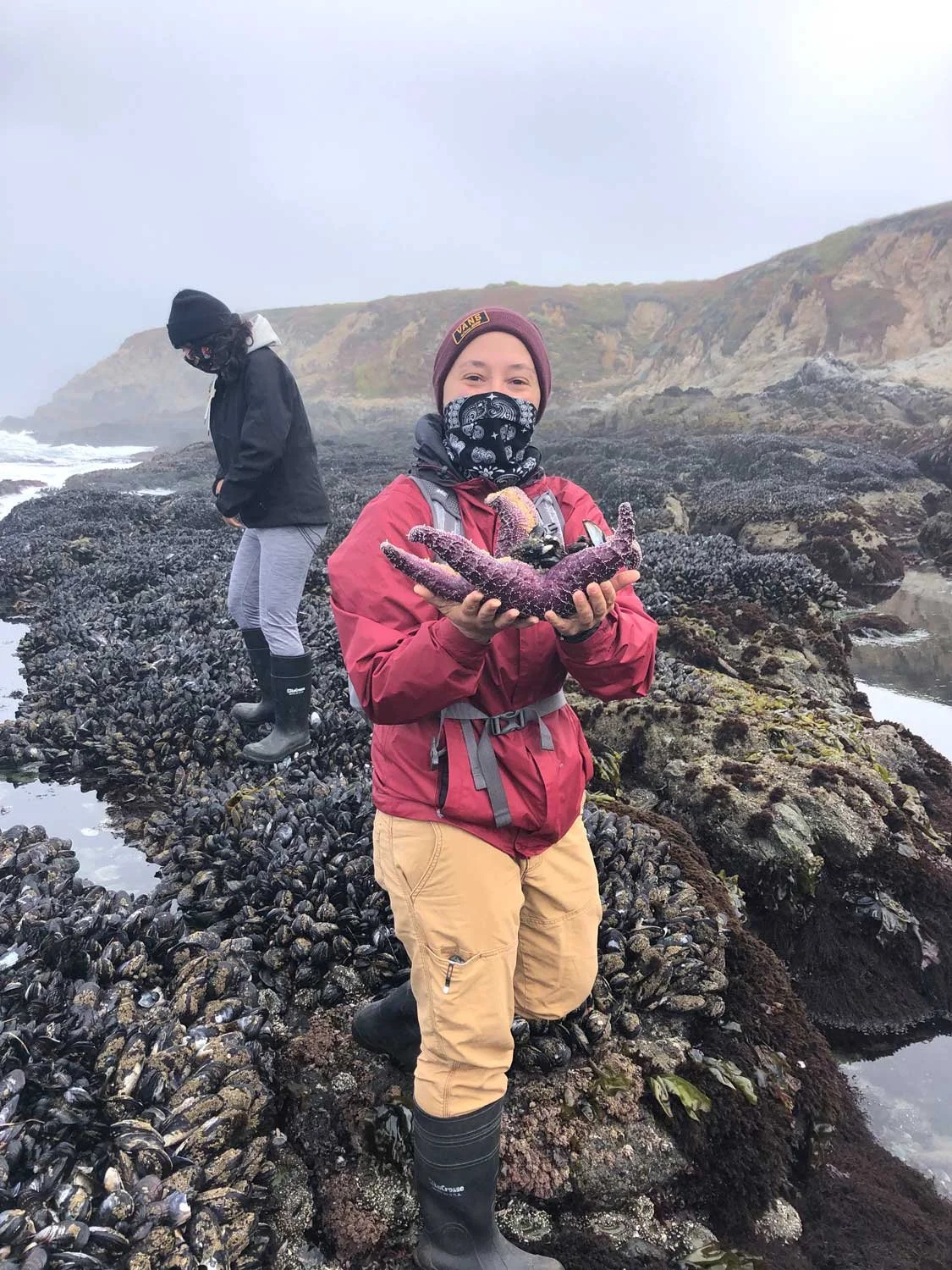
Miller received his M.F.A. in Creative Writing-Prose from Mills College in 2014 and currently has two creative nonfiction book-length projects in the works, Life Forms At Boundaries: A Trans* Ecology and Courting Devotion. He received the Russell J. and Dorothy S. Bilinski Bodega Marine Laboratory Fellowship during the 2020-2021 year, and the WSU David G. Pollart Center for the Arts and Humanities Fellowship during the 2024-2025 year for the development of Life Forms At Boundaries, which is an intertidal transition memoir. Rather than conceptualizing transition as a linear progress, Miller’s writing portrays transition as a recursive tidal haunting that asks who or what parts of ourselves endure with each new fluid crossing? By studying intertidal invertebrates throughout his time living in Bodega Bay, home of Hitchcock’s The Birds, these faceless and spineless organism’s plastic life offer a blueprint for survival on a damaged planet. What would it mean for all life to become, to be, trans*?
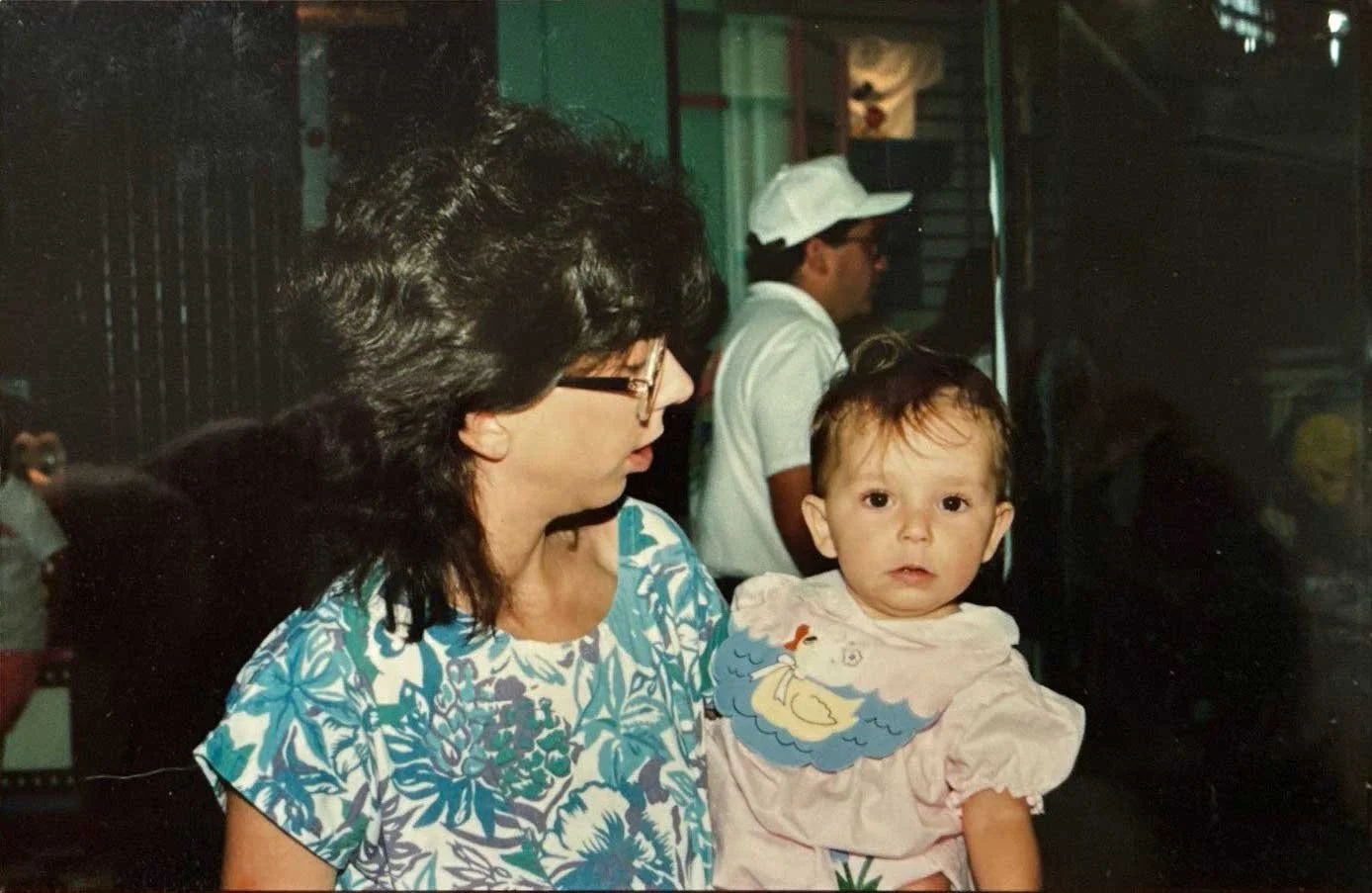
Courting Devotion is a memoir that asks: what do we make of a child’s life that did not live up to their childhood dreams even when a mother’s love endured and persisted as if it did, as if it could? The book is about grief, sport, transition, and the strange rituals that keep us alive after a world ends. Following complications from a double-lung transplant, a procedure that already unsettles the idea of a bounded self, Miller’s mother passed away during the summer of 2025. When the future that surgery promised collapsed, the only thing he could do was watch women’s basketball which became a liturgical calendar reorganizing the timeline of his mother’s illness outside of medical tragedy and the triumphalism demanded of survivor narratives. What began as compulsion became devotion in a mystical sense: a reunion with his mother beyond the limits of her body through an ecstatic practice of reclaiming women’s basketball as transmasculine spectatorship rather than as tomboy child athlete. His mother’s death produced a nostalgia for his basketball-based girlhood, not forsaking transition, but widening the gendered terrain they both once shared.
Courting Devotion uses the history of the WNBA’s growth into the spotlight as a backdrop to rethink will, relation, and the porous boundaries of the self after loss, to ask, after Hannah Arendt, John Locke, René Descartes, Emmanuel Levinas, and Melanie Klein how the love object remains internally alive when it must be remade after the body that held it disappears.
He is vocally committed to prison abolition. During his time at UC Davis, he volunteered as a teaching instructor at the Yolo County Jail’s Women’s Facility in Woodland, California while during the COVID-19 pandemic he began participating in volunteer jail support outside of the Sacramento County Jail as a member of Decarcerate Sacramento. Due to the pandemic, a number of individuals were provided early release and Miller was right there outside the jail ready to provide basic needs services (phone calls, housing directories, transportation) and resources (food, clothing, clean needles).
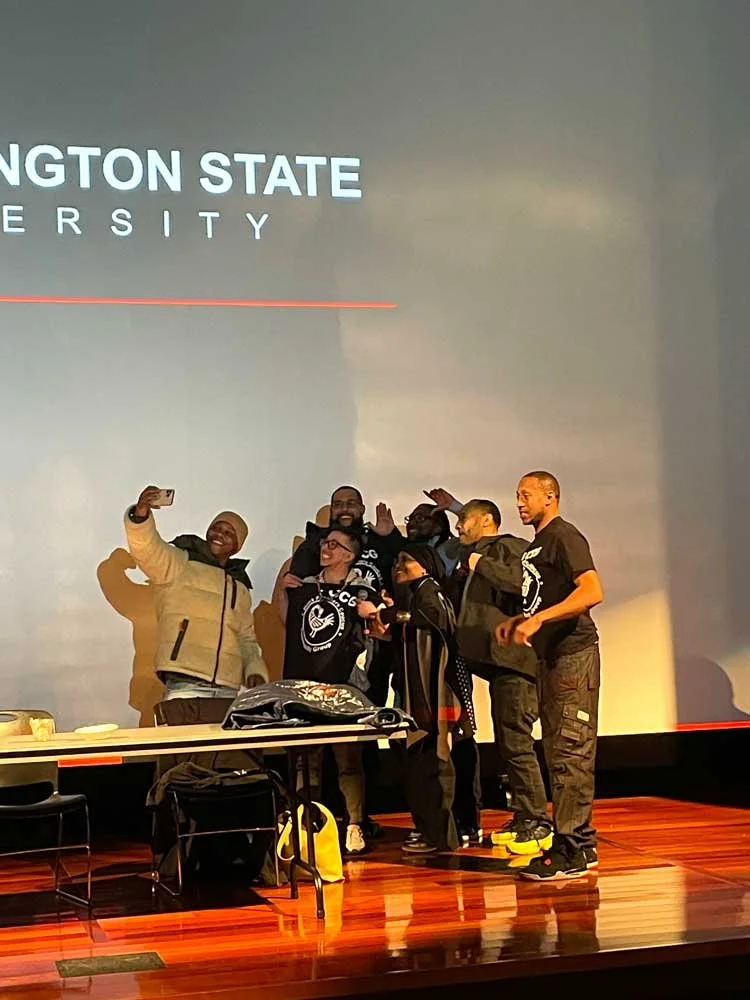
Miller is currently the lead sponsor for the Black Prisoners’ Caucus (BPC) chapter at Coyote Ridge Corrections Center (CRCC) in Connell, Washington. The BPC began in 1972 in Washington State prisons as an incarcerated-led initiative of peer-facilitated radical personal transformation through Black education and history. There are chapters throughout most Washington State carceral institutions as well as the BPC Community Group (BPCCG) which is made up of formerly incarcerated members who serve each chapter through development of re-entry services and support from the Seattle-Tacoma area. He raised $4500 on behalf of the Webinar Event Committee in WSU’s English department for a February 2026 Black History Month event entitled The Black Prisoners’ Caucus at WSU: Rebuilding Black Lives During and Beyond Incarceration, which afforded members of the BPCCG to show up in person to the Pullman WSU campus for a screening of the documentary Since I Been Down (2021) directed by Gilda Sheppard followed by a Q&A with not just the BPCCG members, but BPC members from the chapter at CRCC over Zoom. The event had a turnout of roughly 50 persons from the broader WSU community. Since then, Miller has established four additional volunteers out at CRCC that support the development and growth of the BPC.
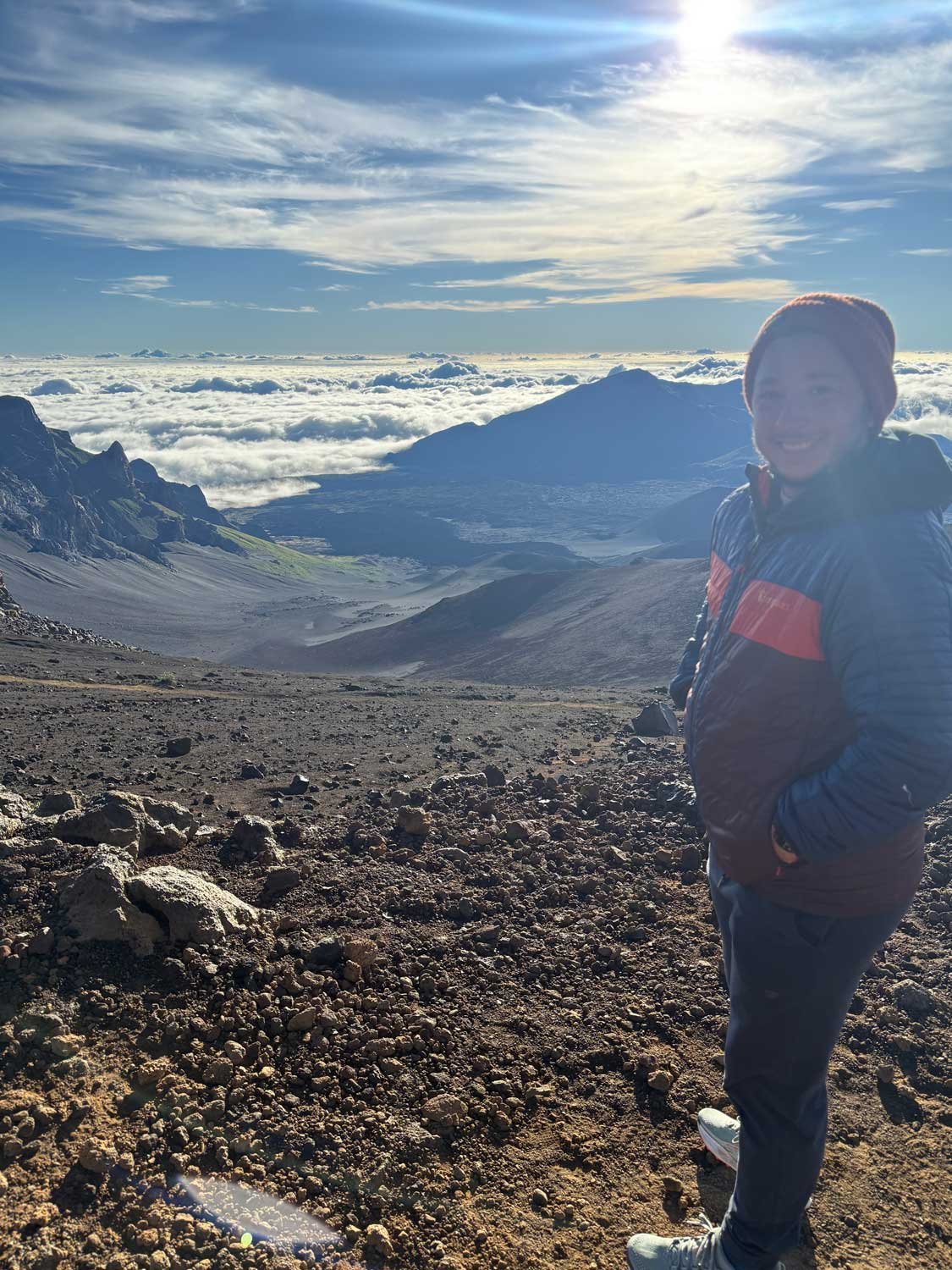
Originally from Denver and the Colorado frontier, Miller now lives in Moscow, Idaho amongst the rolling hills of the Palouse with his cats Bippity, Champ, and Rookie while also dividing his time in Honolulu, Hawaii where his partner lives with her dog Lucy.